Book Portal
Powered by Tech Elliptica
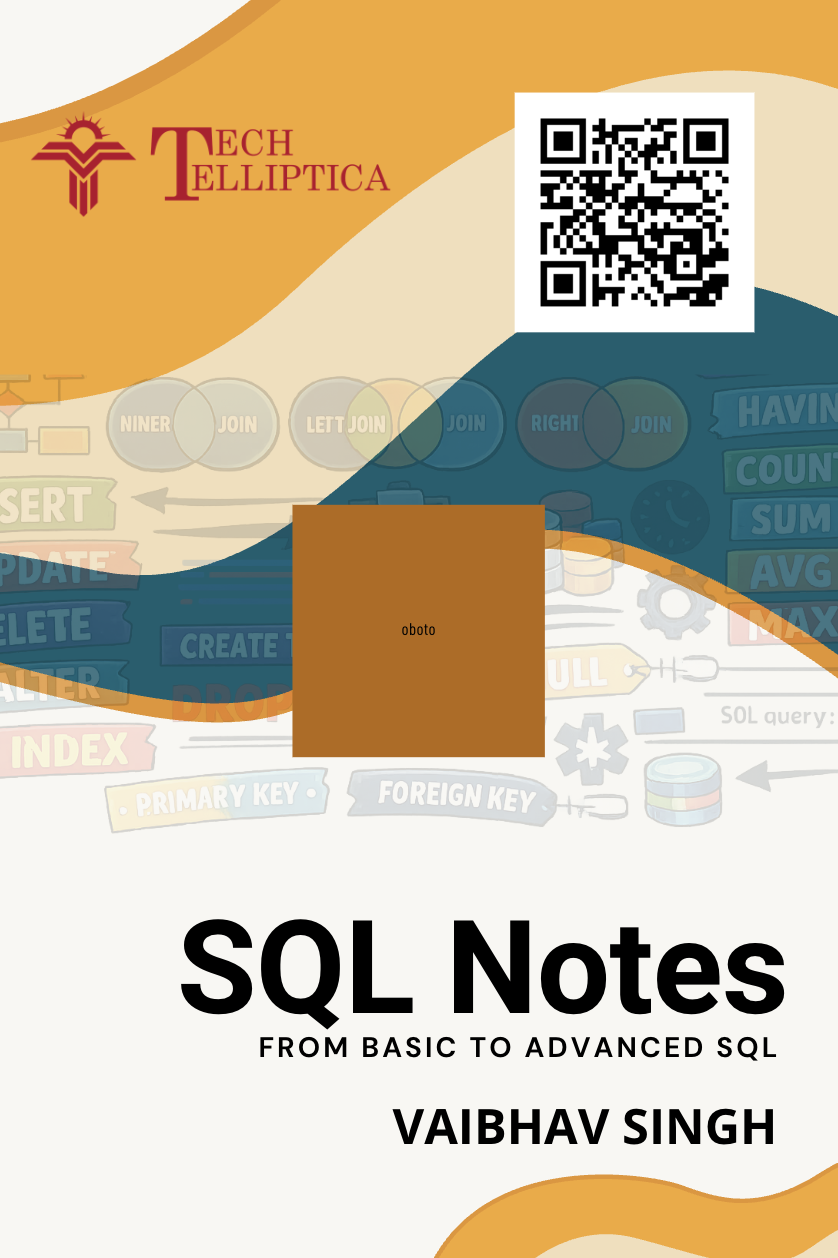
SQL is one of the most important skills in technical interviews because it directly reflects how well a candidate can work with data. Almost every application—whether it’s banking, e-commerce, or telecom—relies on databases, and SQL is the standard language used to interact with them. Interviewers use SQL questions to evaluate a candidate’s ability to retrieve, filter, join, and analyze data efficiently. Concepts like joins, subqueries, indexing, normalization, and aggregations are frequently tested because they demonstrate both logical thinking and practical problem-solving skills. A strong understanding of SQL shows that you can handle real-world data scenarios, which is critical for backend developers, testers, and data-driven roles.
From an interview perspective, SQL also acts as a quick way to assess coding clarity and optimization skills without requiring a full programming setup. Writing clean and efficient queries under time constraints reflects your ability to think structurally and debug issues quickly—something very valuable in production environments. For roles like QA, data engineering, and full-stack development, SQL is often used in test validation, reporting, and API/database verification. Candidates who can explain their query logic, handle edge cases, and optimize performance (like avoiding unnecessary joins or using indexes properly) tend to stand out and leave a strong impression on interviewers.
Other books you might like